Scalping is a type of active trading strategy, similar to day trading or swing trading, the difference being the number of trades placed during the day and holding time of each position. Typically scalper traders hold positions for a much shorter time than swing traders and day traders, ranging from seconds to a few minutes. This trading approach is the total opposite to position trading, where investors can hold positions for years.
Scalping Strategy
Scalping is a trading strategy focused on taking advantage of minor price changes within the day. Scalpers execute multiple trades throughout the trading session, aiming to build profits through numerous small gains. Positions are held for very short periods, from a few seconds to a few minutes at most. Because these positions are so short-lived, the profit per trade is usually small. To compensate, scalpers make numerous trades – sometimes hundreds in a single day. This strategy reduces market exposure time, thereby minimizing risk.
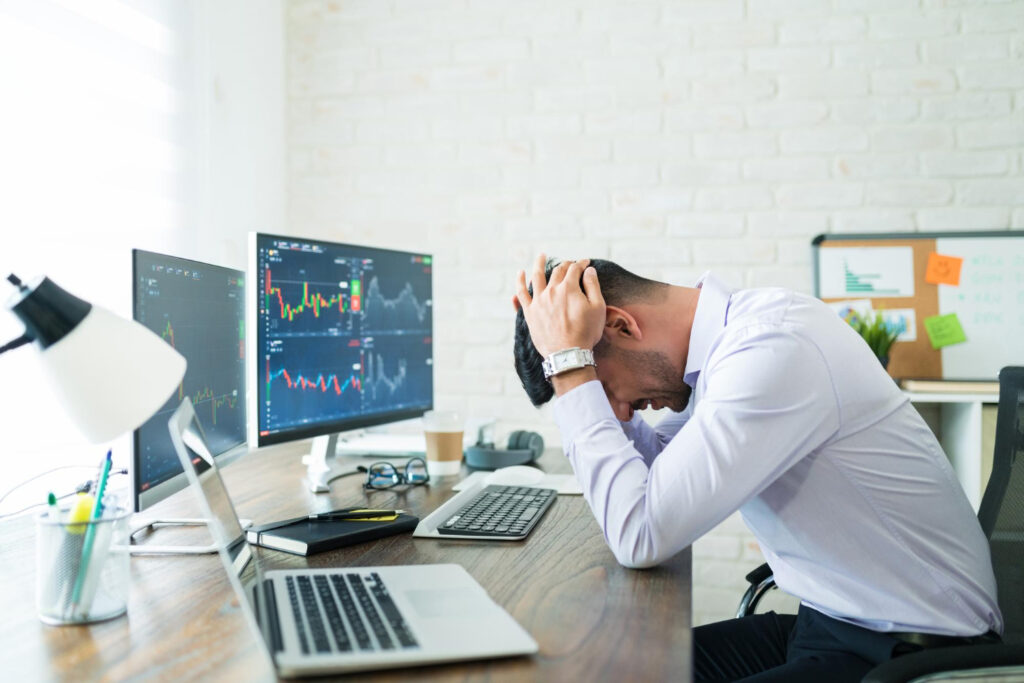
NB! Inexperienced traders can often use high leverage to increase the size of their gains. Leverage however increases not only gains, but also losses. Therefore, traders must always conduct proper risk management.
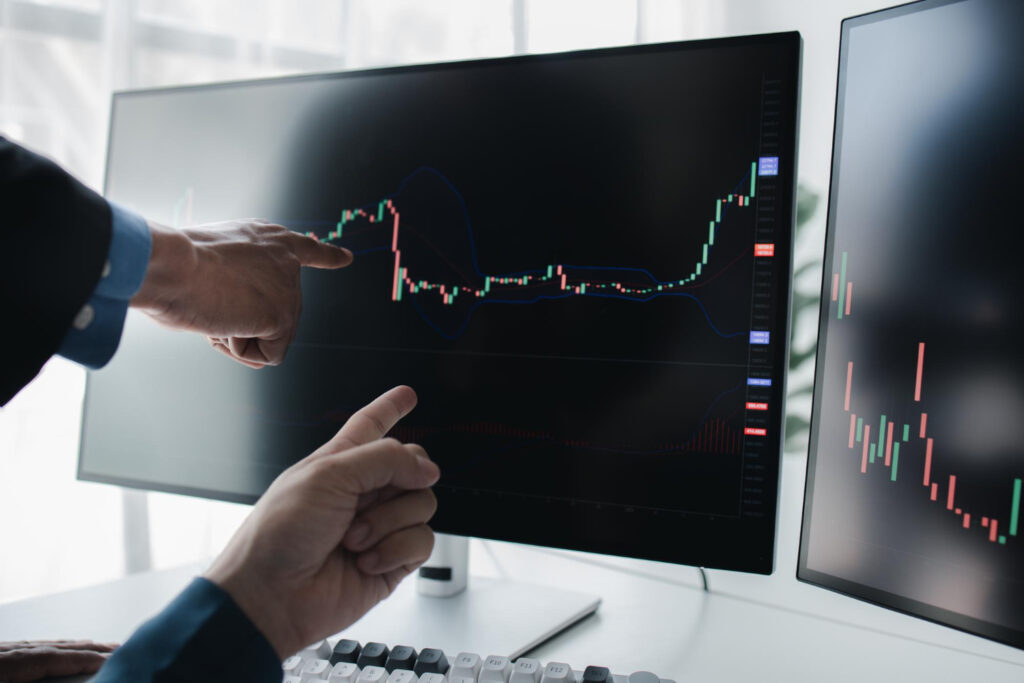
Scalpers are quick to act and do not adhere strictly to any particular trading pattern. They may go short in one trade and long in the next, targeting small opportunities. Short-term, usually 1-5 minute charts are used, sometimes even transaction-based tick charts. This is because scalpers need to make quick trading decisions based on price action and technical formations and usually have no interest in fundamental analysis.
Scalping suits traders who can dedicate significant time to the markets, remain focused, and act swiftly. It is often said that impatient individuals make good scalpers because they tend to exit positions as soon as they become profitable. This strategy is ideal for those who can handle stress and make rapid decisions.
Your trading timeframe influences which style is best for you. Scalpers make numerous trades each day and must stay closely connected to the markets, while swing traders and day tarders make fewer trades and can check in less frequently.
For further reading you can visit our FPT Trading Academy.