Forex or FX, short for the FOReign EXchange market, is where currencies are traded globally. If you have exchanged money while traveling, you have participated in forex. The forex market is a global marketplace where national currencies are traded. It’s the largest financial market in the world, with a daily trading volume exceeding $7.5 trillion.
How the Forex Market Works
Unlike stock markets, Forex is decentralised, meaning there is no central location or formal exchanges for transactions. This market is open 24 hours a day, five days a week, closing only on weekends and major holidays such as Christmas and New Year’s Day. It operates in four major trading sessions: Sydney, Tokyo, London, and New York. It is generally divided into three sessions: Asian, European, and North American, thus combining Australian and Asian markets into one session. The market opens in New Zealand on Monday morning and stays open until it closes on Friday at 5 p.m. EST. This continuous operation is bettered only by Crypto markets, which remain open 24/7.
How Forex Trading Works
Forex trading involves exchanging one currency for another. For example, if you travel from the United States to the UK, you would exchange your US dollars for British Pounds. The exchange rate determines the value of one currency against another. For instance, 1 USD might be worth 1.25 GBP. In this case, you are buying pounds with dollars or selling dollars to buy pounds. Exchange rates fluctuate due to various factors, including political events, economic conditions, and fiscal policies.
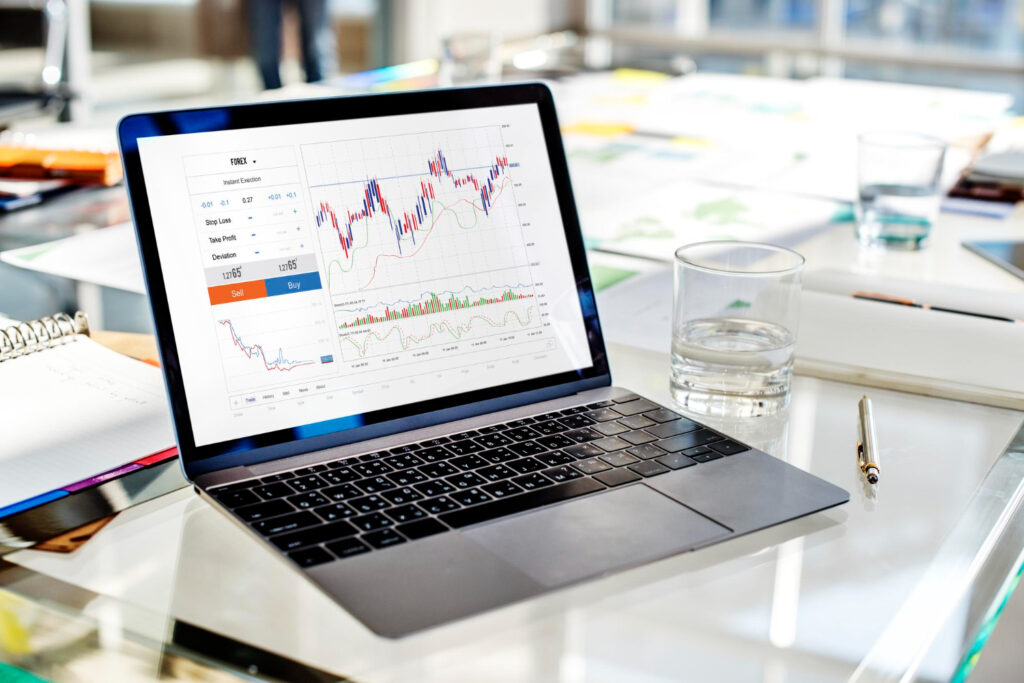
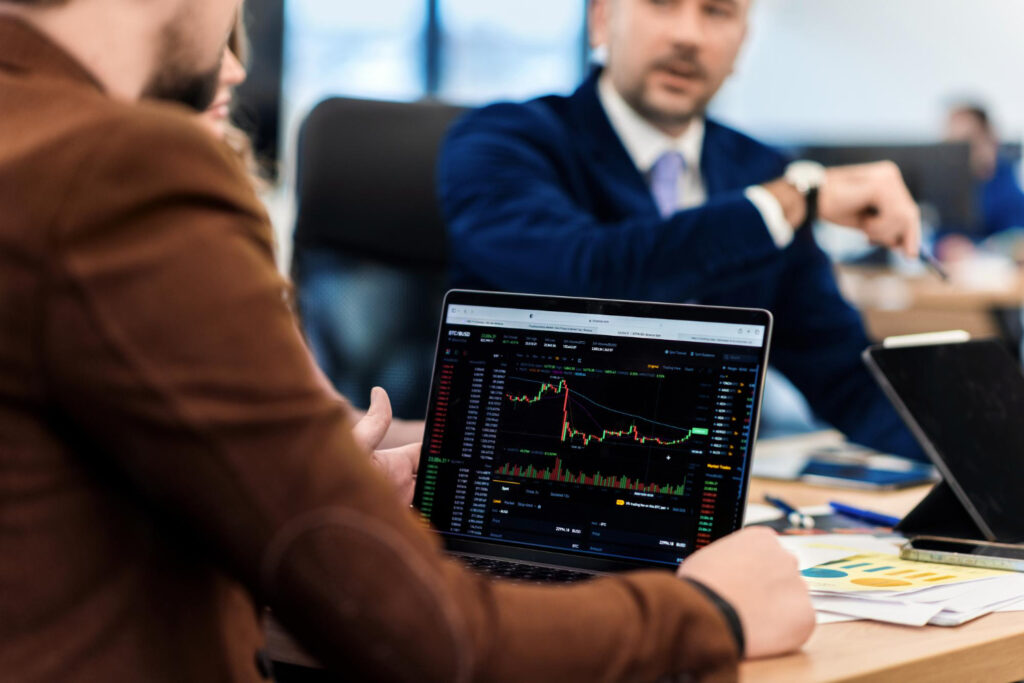
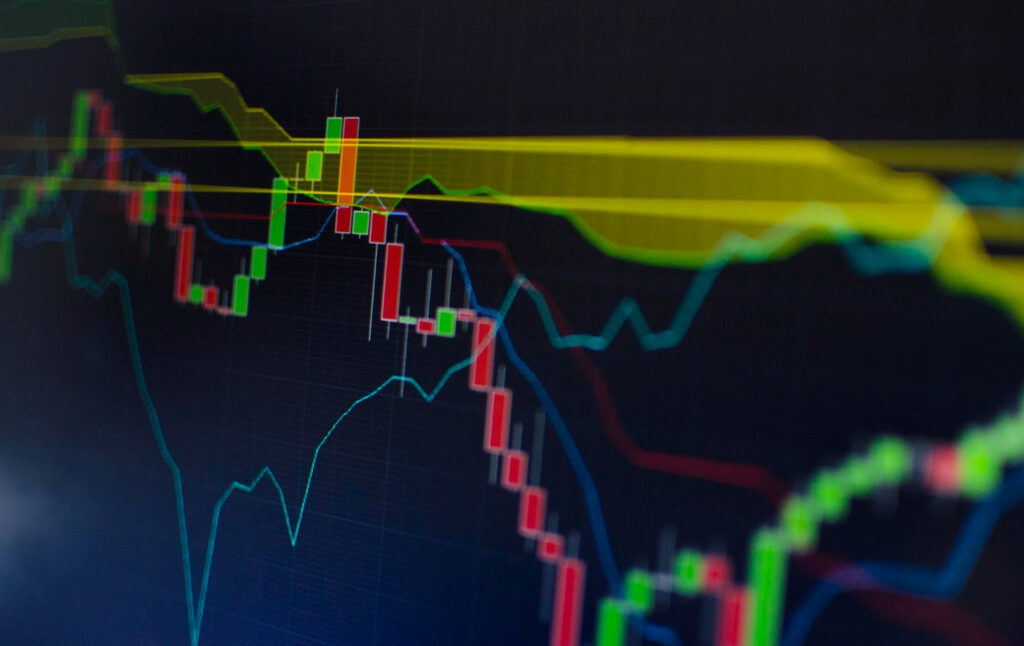
The other aspect of forex trading is speculative trading, where traders attempt to profit from these fluctuations in exchange rates. Traders predict future exchange rates using strategies and technical analysis, often involving detailed examination of candlestick charts. Successful speculation requires a robust trading plan and a good understanding of market trends.
The forex market can have an influence in other financial markets, like stocks, commodities, cryptocurrencies, metals etc.
Participants
The participants in Forex Trading can be grouped into 4 categories:
- Commercial Banks – these are the largest banks in the world, collectively known as the interbank market and are responsible for most of the daily trading volume in foreign exchange transactions. Some of the names you may recognize are like Citi, JPMorgan, Barclays, Goldman Sachs, Deutsche Bank, etc. Based on the supply and demand for foreign currencies, these bank giants determine the bid/ask, spread & exchange rates that we see when trading forex.
- Central Banks – central banks also participate in the FX market. Do do this by controlling the exchange rates of their local currencies and so may significantly impact exchange rates. They also control the money supply in their countries, therefore no currency exchange can be done without them.
If we take the US Dollar as an example, we can see that the FED (US Federal Reserve is the US Central Bank), via its monetary policy, affects everything that happens to the USD and how much it’s worth compared to other currencies in the FX market. - Investment Managers and Hedge Funds – they trade the forex market on behalf of individuals, foundations, and establishments with large account balances and investment portfolios. As a result, they can often exert significant pressure on the market.
- Corporations – Big multinational corporations which operate in various countries with different currencies, need to move money around and engage in FX transactions, either for being able to conduct day-to-day business, or as part of their risk management strategies.
- Retail Traders – the individual retail forex traders are the smallest players in the Forex market. As such, they are unable to affect the market rates with their trades because they are far too small to make any waves. Their role is to react to what is going on in the wider market and to position themselves accordingly.
For further reading you can visit our FPT Trading Academy.