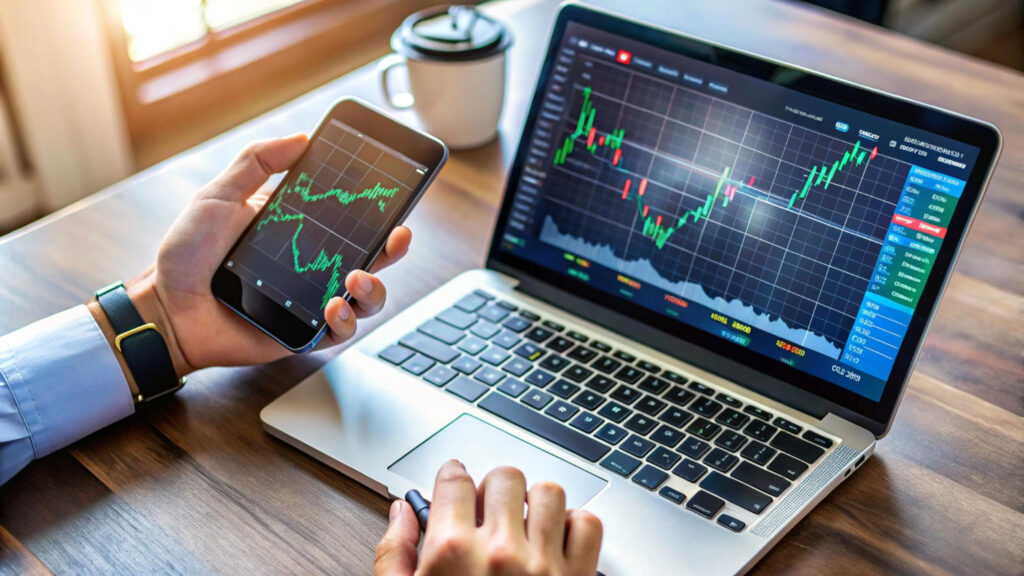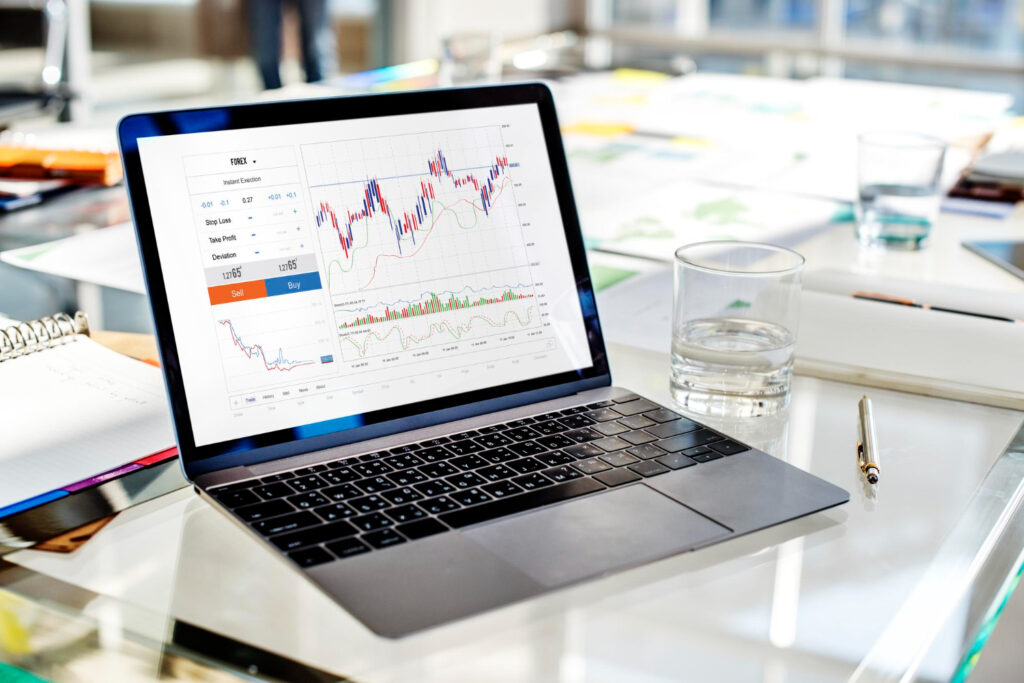
The stock market, often perceived as a physical place though predominantly virtual today, facilitates the buying and selling of shares representing ownership in companies. It’s a pivotal component of modern economies, not only serving as a means for companies to raise substantial capital but also functioning as a gauge of economic health.
Buying a stock means acquiring ownership in a company, with ownership proportional to the number of shares owned. Stocks entitle shareholders to dividends, voting rights on corporate matters, and potential capital appreciation based on the company’s performance.
How Does the Stock Market Work?
The stock market operates as a network where shares of publicly traded companies are bought and sold. Its purpose is to facilitate the movement of capital between investors and corporations. Only companies that have gone through an IPO (Initial Public Offering) and meet very strict financial disclosure requirements can offer shares publicly. These companies utilize the primary market to issue stocks initially and subsequently trade them on secondary markets, where they’re available to a broader investor base.
Stock Exchanges vs OTC
Once publicly traded, stocks are bought and sold on stock exchanges, pivotal platforms for securities trading. Major exchanges like the New York Stock Exchange and Nasdaq provide regulated environments where investors can transact with transparency and confidence.
In addition to exchanges, stocks are traded over the counter (OTC), facilitated by brokers directly connecting buyers and sellers outside formal exchange settings. This market is less regulated and typically used for smaller companies or less liquid securities.
Participants
Participants in the stock market range from institutional investors managing large sums of money to individual retail investors trading for personal accounts. Investors typically take a long-term approach, focusing on portfolio growth and income generation, while traders engage in short-term strategies, capitalizing on market volatility.
Brokers act as intermediaries between investors and the stock market, executing trades and providing advisory services. They range from full-service brokers offering comprehensive financial advice to discount brokers providing cost-effective trading platforms.
Regulation of the stock market is overseen by agencies like the Securities and Exchange Commission (SEC) in the United States, Financial Conduct Authority (FCA) in the UK or European Securities and Markets Authority (ESMA) in the EU, ensuring fair practices, market integrity, and investor protection. Exchanges and brokerage firms are also subject to regulatory oversight to maintain market transparency and efficiency.
Stock Market Dynamics
Stock prices fluctuate based on factors such as supply and demand, company performance, economic conditions, and investor sentiment. Market indexes like the S&P 500 or Dow Jones Industrial Average (DJIA) provide snapshots of overall market health and sector-specific performance.
Conclusion
In summary, the stock market serves as a crucial pillar of global economies, enabling capital formation, fostering economic growth, and shaping financial landscapes. Its evolution from early marketplaces to today’s complex trading networks underscores its pivotal role in modern economic systems. Understanding its functions and dynamics is essential for investors, traders, and policymakers alike navigating the complexities of financial markets.
For further reading you can visit our FPT Trading Academy.